The Spice Odyssey: From Ancient Treasures to Modern Wellness
Explore the fascinating journey of spices from ancient treasures to modern wellness, uncovering their scientific benefits and culinary importance.
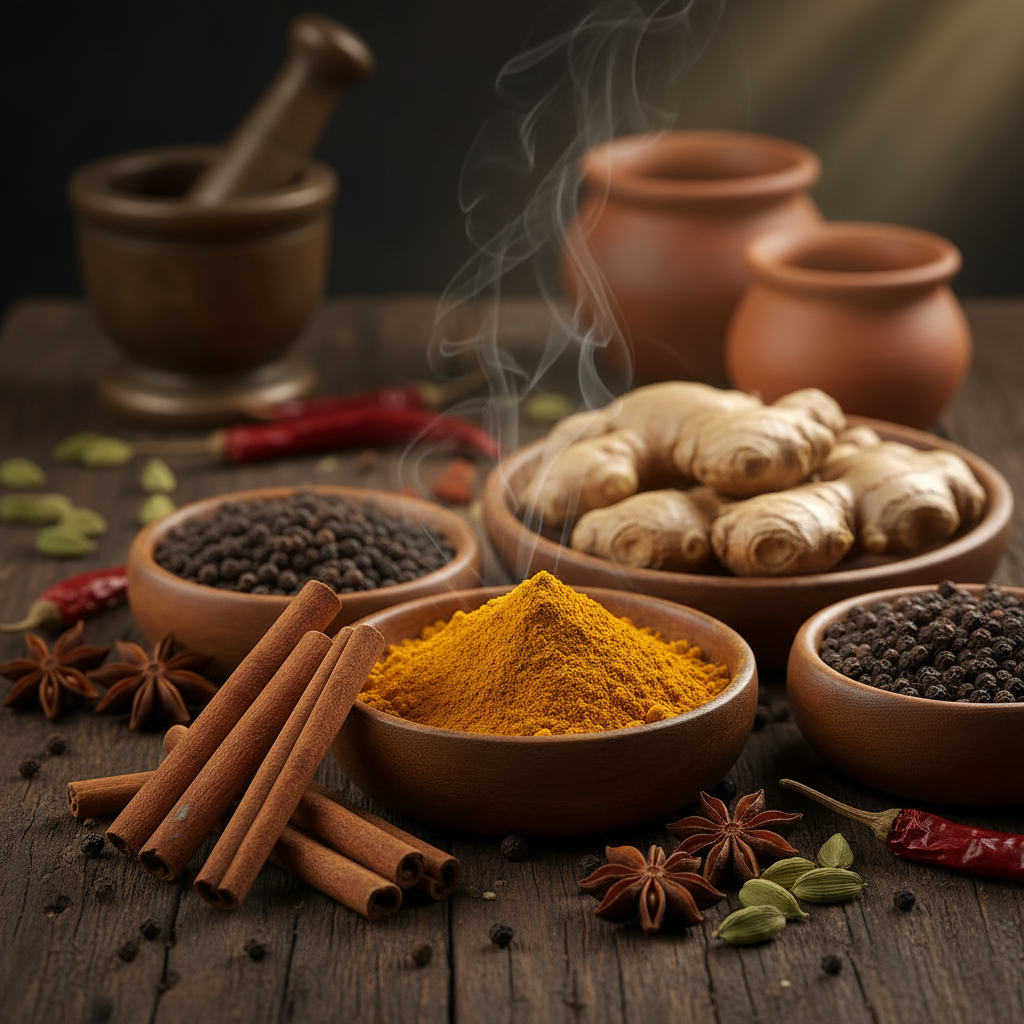
The Spice Odyssey: From Ancient Treasures to Modern Wellness
Introduction: The Aroma of the World
The scent of cinnamon, the heat of ginger, and the vibrant hue of turmeric – spices are the invisible architects that not only enhance the flavor and aroma of our dishes but also narrate the history of entire civilizations. In culinary terms, a spice is defined as a part of a plant used in small quantities to impart flavor or fragrance to food. Dried herbs such as savory and oregano also fall into this category.
The distinction between spices and herbs has evolved over time and is closely tied to their geographical origins. Herbs typically flourish in local or Mediterranean areas, whereas spices traditionally hail from equatorial regions, requiring arduous trade routes for import. Their classification not only reflects their botanical nature but also signifies their status as exotic and precious goods.
The magical effects of spices derive from a fascinating world of chemistry. The flavorful and fragrant properties are the result of natural compounds primarily found in what are termed essential oils. These concentrated, volatile substances easily vaporize, allowing them to be detected by the olfactory receptors in our noses.
The Scent of History: Time and Trade
The history of humanity is inseparably linked to the history of spices. Even in ancient times, spices were coveted commodities traded among the great civilizations of China, India, Arabia, and Egypt. Their value soared to such heights that they were utilized as currency, symbolizing the wealth and power of their possessors. The famed Spice Route served as the lifeblood of these eras, functioning not only as a means of transport but also as a catalyst for cultural exchange, spreading ideas, religions, and culinary traditions.
During the Middle Ages, spices became status symbols, flaunted by the affluent and even used as payment. Control over the spice trade proved so critical that the decline of a central port like Muziris in 1341 fundamentally reshaped trade routes. However, the pivotal moment came in the 16th century, when explorers like Vasco da Gama discovered new sea routes to Asia, breaking the Arab trade monopoly and leading to a sharp drop in prices. Spices transitioned from elite luxury items to everyday cultural staples, revolutionizing kitchens worldwide.
The Biochemistry of Flavor: How Spices Work
The fragrant and flavorful aromas of spices are attributed to a variety of volatile organic compounds found within their essential oils. The presence of these complex molecules in plants is no accident; it represents a lengthy evolutionary process. What we perceive as pleasant aroma often serves as a biological defense mechanism for the plant, deterring pests, protecting against fungi and bacteria, or attracting pollinators.
Some spices go beyond mere aroma and stimulate our nerves with a sharp sensation, perceived not as flavor but as a pain response through the trigeminal nerve in our mouths. The most notable of these pungent compounds include capsaicin in chili, piperine in black pepper, and gingerol in ginger.
Capsaicin, the active compound in chili peppers, is a lipophilic alkaloid, which means it dissolves in fats. Therefore, water is ineffective against the heat, while milk or fatty substances can neutralize it effectively. Piperine in black pepper is non-volatile, meaning its heat persists through cooking. Gingerol, the component responsible for the pungent heat in ginger, is well-known for its digestive properties. The different chemical characteristics of these compounds explain the unique sensory experiences provided by chili, pepper, and ginger.
One of the most remarkable biochemical synergies occurs in the pairing of turmeric and pepper. Turmeric, with its main active ingredient curcumin, boasts potent anti-inflammatory properties but is quickly metabolized by the body. However, piperine in pepper can enhance the bioavailability of curcumin in humans by up to 20 times. Traditional Indian cuisine, which has combined these spices for millennia, intuitively applied a biochemical principle that modern science has only recently validated.
The Healing Power of Nature: Spices as Medicine
Long before the era of modern medicine, spices constituted the primary toolbox for healers and physicians. Ginger, for instance, was employed for over 2,000 years in Traditional Chinese Medicine (TCM) and Ayurvedic practices as a natural remedy for digestive ailments, nausea, and inflammation. Today, scientific studies confirm these traditional uses, with ginger demonstrating antiemetic effects (effective against nausea) and serving as a natural painkiller for menstrual cramps.
Turmeric, known as the "golden spice," is revered as a remedy for nearly all ailments in Ayurveda. Its active ingredient, curcumin, showcases powerful anti-inflammatory and antioxidant properties, which can help shield the brain from age-related diseases. Current research is even investigating curcumin for potential applications in treating Alzheimer's and arthritis.
Cinnamon is another spice with significant health benefits. Studies suggest it can assist with blood sugar regulation and may lower cholesterol levels, making it a simple and effective addition to daily diets.
Spices in Your Kitchen Today: Practical Tips
Incorporating spices into everyday cooking requires both knowledge and experimentation. Here are a few tips:
- Turmeric: Always pair it with black pepper and a fat source (e.g., coconut oil) to maximize curcumin absorption. A pinch of pepper in your golden milk, curry, or smoothie will significantly enhance efficacy.
- Ginger: Fresh ginger contains more gingerol and is therefore more potent than dried ginger. Use it in tea, Asian dishes, or smoothies.
- Cinnamon: Opt for Ceylon cinnamon ("true cinnamon") over Cassia cinnamon, as Ceylon contains significantly lower levels of coumarin, a compound that can be harmful to the liver in large quantities.
- Chili: The heat of capsaicin can be neutralized with dairy products, fats, or sugar – not water. Keep this in mind if you add too much spice to a dish!
Conclusion: Spices as a Bridge Between Past and Future
Spices have shaped the history of humanity and continue to play a vital role in our present and future. They are not merely ingredients; they are storytellers connecting us to ancient cultures and insights. The fact that modern science is now confirming the traditional uses of these powerful plants underscores their significance. Whether you wish to experiment with flavors, support your health, or deepen your understanding of the culinary arts, spices offer an endlessly fascinating world of discovery.
Frequently Asked Questions (FAQ)
What is the difference between spices and herbs?
Spices typically come from tropical regions and are derived from seeds, bark, or roots (e.g., cinnamon, pepper), while herbs are the leaves of plants that grow in temperate climates (e.g., basil, oregano). The distinction is both botanical and historical, tied to trade routes.
Why should I combine turmeric with black pepper?
Black pepper contains piperine, which enhances the bioavailability of curcumin (turmeric's active compound) by up to 2000%. This means your body absorbs significantly more of turmeric's anti-inflammatory benefits when consumed together.
What is the healthiest way to use ginger?
Fresh ginger contains more gingerol (the active anti-inflammatory compound) than dried ginger. Use it in teas, stir-fries, or smoothies. Ginger is particularly effective for nausea, digestive issues, and inflammation.
Is cinnamon safe to consume daily?
Yes, but choose Ceylon cinnamon over Cassia cinnamon. Cassia contains higher levels of coumarin, which can be harmful to the liver in large amounts. Ceylon cinnamon is safer for daily use and offers the same blood sugar-regulating benefits.
How do spices help with inflammation?
Many spices like turmeric, ginger, and cinnamon contain bioactive compounds (curcumin, gingerol, cinnamaldehyde) that inhibit inflammatory pathways in the body, making them natural, food-based anti-inflammatory agents.
What is actually missing from your week?
Up-Food calculates over 30 nutrients from the real ingredient amounts in your weekly plan – based on verified USDA data, not estimates.
See the weekly plan